







Primary Air Unit (PAU): A Complete Technical Guide
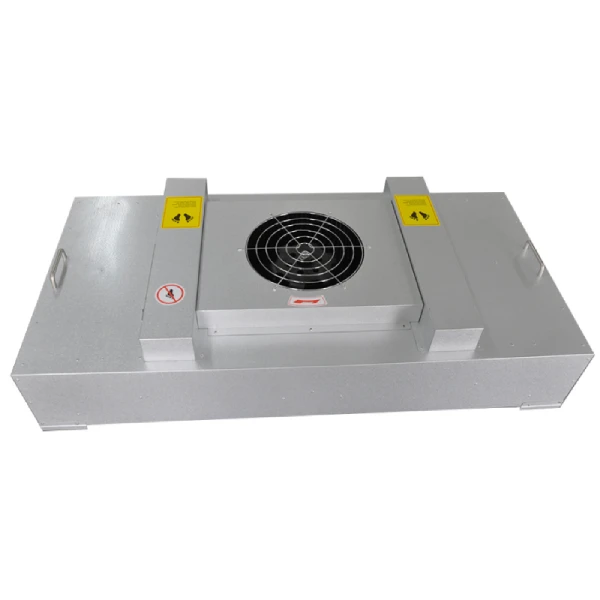
A Primary Air Unit (PAU), also known as a pre-cooling air handling unit, is an essential component in HVAC systems that specializes in pretreating outdoor fresh air before delivering it to downstream equipment such as Fan Coil Units (FCUs) or Air Handling Units (AHUs)
Overview
A primary air unit—commonly referred to as an air handling unit (AHU)—is a critical component of modern HVAC systems, responsible for conditioning, filtering, and distributing outdoor and recirculated air throughout commercial and industrial buildings. By integrating fans, heating and cooling coils, humidifiers, dampers, and filtration systems into a single enclosure, the air handling unit ensures precise control over temperature, humidity, air quality, and ventilation rates—essential for occupant comfort, health, and regulatory compliance. In large-scale applications such as office complexes, hospitals, data centers, and manufacturing facilities, the reliability and efficiency of an air handling unit directly impact energy consumption, indoor air quality, and operational continuity. When specifying or procuring one, stakeholders often evaluate factors including performance specifications, construction materials, and integration capabilities—alongside practical considerations like air handling unit price, physical footprint, and installation constraints. Understanding the air handling unit diagram is vital for proper system design and commissioning, while accurate air handling unit dimensions ensure seamless integration into mechanical rooms, rooftop spaces, or dedicated plant areas. As building standards evolve toward greater sustainability and resilience, selecting the right primary air unit remains a foundational decision in HVAC engineering and facility management.
Figure 1: Typical primary air unit installation in a commercial building
What Is a Primary Air Unit?
A primary air unit is a specialized type of air handling unit designed to condition and deliver 100% outside air to a building’s HVAC system. Unlike standard air handling units that recirculate indoor air, a primary air unit handles only fresh outdoor air—cooling, heating, humidifying, dehumidifying, and filtering it before distribution. It serves as the first stage of air treatment in dual-system HVAC designs, often working in tandem with terminal units (e.g., fan coil units or VAV boxes) that handle localized temperature control.
Key Components
- Fans: Typically forward-curved or backward-inclined centrifugal fans provide precise airflow control and high static pressure capability.
- Coils: Chilled water, hot water, or direct-expansion coils manage sensible and latent loads for cooling and heating.
- Filters: High-efficiency particulate air (HEPA) or MERV 13+ filters ensure superior air cleanliness—critical in sensitive environments.
- Dampers: Motorized outside air, return air, and exhaust dampers enable demand-controlled ventilation and energy recovery integration.
- Controls: Integrated building automation system (BAS) interfaces allow real-time monitoring, scheduling, and fault detection.
Main Applications
Primary air units are widely deployed across sectors requiring strict air quality, ventilation, and infection control standards. In commercial buildings, they support large open-plan offices with high occupancy. Healthcare facilities rely on them for operating rooms and isolation wards to maintain positive/negative pressure and airborne pathogen filtration. Industrial settings use them where process ventilation or hazardous fume dilution is essential. Education campuses deploy them in classrooms and laboratories to meet ASHRAE 62.1 ventilation requirements and improve student wellness.
Benefits and Advantages
The primary air unit offers significant advantages: enhanced indoor air quality (IAQ), improved thermal and humidity control, reduced cross-contamination risk, and compliance with stringent health and safety codes. Its dedicated outside-air function simplifies system design and improves overall HVAC efficiency—especially when paired with energy recovery wheels. While the air handling unit price for a primary air unit may be higher than standard models due to robust construction and advanced components, lifecycle savings from energy optimization and maintenance predictability offset initial costs. Engineers often reference an air handling unit diagram to verify integration points, and proper planning requires attention to air handling unit dimensions for mechanical room layout and ductwork coordination.
Figure 2: Air handling unit showing internal components and airflow paths
Technical Specifications for Primary Air Unit
Key Performance Parameters
| Parameter | Specification |
|---|---|
| Airflow Capacity | 1,500 – 25,000 m³/h (variable based on model) |
| Cooling Capacity | 15 – 450 kW (with chilled water or direct expansion) |
| Heating Capacity | 20 – 500 kW (hot water, steam, or electric) |
| air handling unit dimensions | Height: 1.2–2.4 m; Width: 0.8–2.0 m; Depth: 1.0–3.5 m (modular design) |
| Filter Efficiency | F7–F9 (EN 779) or MERV 13–16 (ASHRAE 52.2) |
| Fan Power | 1.1 – 30 kW (EC or AC motors, variable frequency drive standard) |
| Noise Level | ≤ 65 dB(A) at 1 m (with acoustic lining and silencers) |
| Energy Efficiency | IE3/IE4 motors; seasonal COP ≥ 3.2; heat recovery options (≥75% effectiveness) |
Dimensions and Sizing Considerations
The air handling unit dimensions directly impact installation feasibility, ductwork layout, and maintenance access. Units are sized based on peak cooling/heating loads, required outdoor air volume, and pressure drop across filters, coils, and dampers. Ceiling voids, plant room clearances, and service corridors must accommodate both physical footprint and future servicing space (minimum 600 mm front/rear access). Modular designs allow customization—especially critical when integrating with existing infrastructure. Always verify structural support capacity before finalizing the primary air unit selection.
Selection Criteria
Selecting the right primary air unit requires balancing performance, lifecycle cost, and integration needs. Key criteria include:
- Match of airflow capacity and thermal loads to avoid oversizing (reduces energy waste and humidity control issues)
- Compliance with indoor air quality standards (e.g., filter class, CO₂ sensors, and fresh air ratio)
- Availability of a detailed air handling unit diagram for coordination with architectural and MEP drawings
- Realistic assessment of air handling unit price, including controls, heat recovery, and commissioning—not just base unit cost
- Acoustic performance aligned with occupancy type (e.g., hospitals vs. offices)
- Scalability and compatibility with building management systems (BMS)
Final selection should involve collaboration between HVAC engineers, architects, and facility managers to ensure optimal system integration and long-term operational efficiency.
Figure 3: Detailed Air handling unit diagram with labeled components
Frequently Asked Questions
What is the difference between a primary air unit and a standard air handler?
A primary air unit is a specialized type of air handling unit designed to condition and deliver 100% outside air to a building, without recirculating indoor air. In contrast, standard air handlers typically mix outdoor and return air in varying proportions (e.g., 20% outside / 80% recirculated) to improve energy efficiency. Primary air units are commonly used in laboratories, hospitals, and cleanrooms where strict ventilation, contamination control, and code-mandated fresh-air ratios are critical. They feature robust filtration (often MERV 13–16 or HEPA), larger cooling/heating coils, and enhanced controls for precise temperature and humidity management. Because they handle only untreated outdoor air—especially in extreme climates—their components are oversized compared to conventional air handlers, resulting in higher initial cost and greater energy demand.
How much does a primary air unit cost? What affects the air handling unit price?
The air handling unit price for a primary air unit typically ranges from $15,000 to over $150,000, depending on capacity, configuration, and performance requirements. Key cost drivers include airflow volume (CFM), static pressure needs, filtration level (e.g., carbon or HEPA), heating/cooling coil types (hot water, steam, DX, or chilled beam integration), and control system sophistication (BACnet, VFDs, integrated DDC). Custom enclosures, sound attenuation, corrosion-resistant materials (e.g., stainless steel for labs), and compliance with ASHRAE 170 or ISO 14644 standards also increase the air handling unit price. Unlike standard air handlers, primary air units require larger fans and motors to overcome higher pressure drops across dense filters and long duct runs—further elevating cost. Project-specific engineering, shipping, and commissioning services are often billed separately.
Where can I find a reliable air handling unit diagram for a primary air unit?
A detailed air handling unit diagram for a primary air unit illustrates the sequential arrangement of components: outdoor air intake → pre-filter → cooling coil → reheat coil → humidifier (if required) → final filter → supply fan → discharge duct. Optional elements include energy recovery wheels, UV-C lamps, and exhaust air bypass dampers. This air handling unit diagram highlights how each section contributes to conditioning 100% outside air while maintaining precise dew point and dry-bulb control. Manufacturers such as Trane, Carrier, and Greenheck provide downloadable, dimensioned schematics in their product submittal packages. These diagrams are essential for coordination with architectural layouts, duct design, and electrical/plumbing tie-ins—and serve as a reference during installation and troubleshooting.
What are typical air handling unit dimensions for a primary air unit?
air handling unit dimensions vary significantly based on capacity and options, but common primary air unit footprints range from 4 ft × 6 ft × 6 ft (small lab units, ~2,000 CFM) to over 12 ft × 8 ft × 9 ft (large hospital units, 25,000+ CFM). Height is often dictated by coil depth and fan stack configuration; horizontal-discharge units may be longer, while vertical units maximize floor space. Access panels, service clearances (minimum 3 ft front/side), and vibration isolation mounts must be factored into mechanical room planning. Because air handling unit dimensions influence structural support, ceiling height, and door access, early coordination with architects and contractors is critical—especially when retrofitting existing facilities.
How often does a primary air unit require maintenance?
A primary air unit demands more frequent and rigorous maintenance than standard air handling units due to its continuous operation and exposure to unconditioned outdoor air. Filters should be inspected weekly and replaced every 1–3 months (depending on environment); coils require quarterly cleaning to prevent microbial growth and fouling; belts, bearings, and motors need biannual lubrication and alignment checks. Drain pans and condensate traps must be sanitized monthly to inhibit Legionella. Comprehensive annual inspections—including damper calibration, control loop verification, and refrigerant charge validation—are recommended. Preventive maintenance extends equipment life, sustains design airflow, and avoids costly emergency
© 2026 Primary air unit Guide | Last updated: 2026/4/30