







Containment Strategy in Biopharma Cleanrooms: Air Shower and Pass Box Integration
See how proper air shower and pass box integration creates effective containment barriers in biopharmaceutical cleanrooms, protecting both product and personnel.
Biopharmaceutical manufacturing requires rigorous containment strategies that protect both the product from environmental contamination and personnel from exposure to potent compounds. The interfaces between classified zones, particularly at personnel and material entry points, represent the most vulnerable locations in the containment barrier. Engineering teams responsible for designing these facilities must understand how airlock systems, material transfer devices, and door interlocks work together as an integrated containment strategy.
Air Shower Systems as Personnel Decontamination Barriers
The cleanroom air shower serves as the primary personnel decontamination checkpoint between lower-classified support areas and critical processing zones. High-velocity filtered air directed at personnel entering the cleanroom dislodges and captures particulate contamination from garment surfaces before it can enter the classified environment. cleanroom pass box systems designed for biopharmaceutical applications feature stainless steel construction with coved corners and sealed joints that can withstand aggressive decontamination between product campaigns. The integration of pharmaceutical cleanroom doors with interlocked door systems prevents both doors from opening simultaneously, maintaining the pressure cascade that forms the primary containment barrier. clean room air shower manufacturers supply systems engineered for these applications deliver HEPA-filtered air at velocities exceeding 25 meters per second through nozzles positioned to target all garment surfaces. The clean room interlock door suppliers providing access to these spaces must feature electromagnetic or mechanical interlocks with fail-safe mechanisms that maintain containment during power failures or alarm conditions.
Material Transfer Through Dynamic Pass Boxes
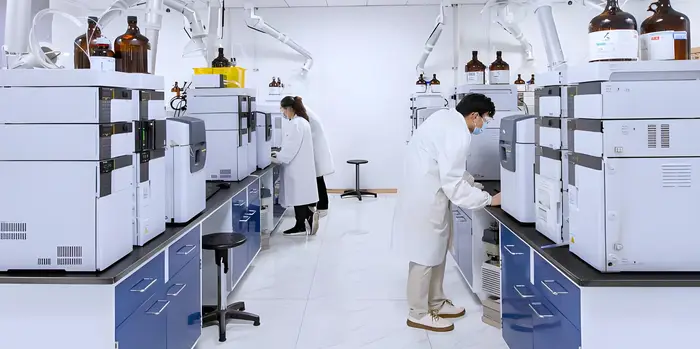
Materials entering and exiting the cleanroom represent an equally critical contamination pathway. air shower cleanroom design must address the challenge of transferring equipment, components, and samples across the containment boundary without compromising environmental conditions. Dynamic pass boxes with active air flushing create an air curtain during the transfer process, continuously removing particles generated by opening doors and moving materials. For biopharmaceutical facilities handling potent compounds, pass boxes with integrated dust extraction and bag-in/bag-out change systems prevent operator exposure during material transfer. The pass box enclosure itself must match the wall panel performance in terms of cleanability, chemical resistance, and seal integrity. UV-C disinfection systems installed within pass boxes provide an additional decontamination step for materials that cannot withstand liquid disinfection protocols.
Integrated Containment Validation
The effectiveness of any containment strategy depends on consistent performance over time. Personnel entry procedures, material transfer protocols, and interlock systems must be validated during facility commissioning and re-verified at regular intervals. The most successful biopharmaceutical facilities treat containment as a system-level performance requirement, testing the complete chain from exterior environment through airlocks to the critical processing zone. Continuous monitoring of pressure differentials, particle counts at entry points, and interlock function provides early warning of containment degradation before it impacts product quality.