






CONTACT US
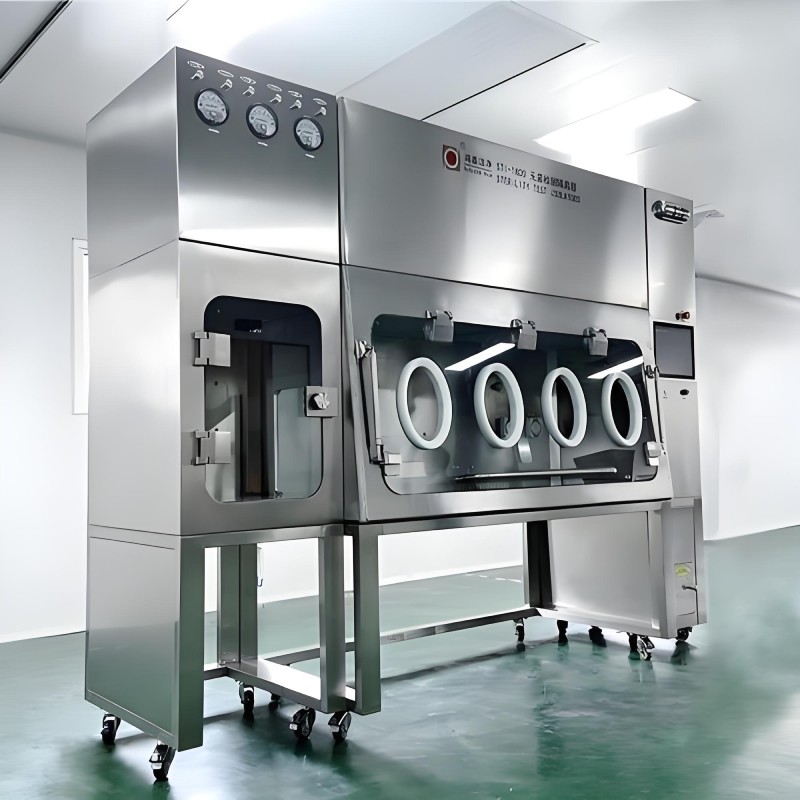
Isolator For Sterile
Overview:
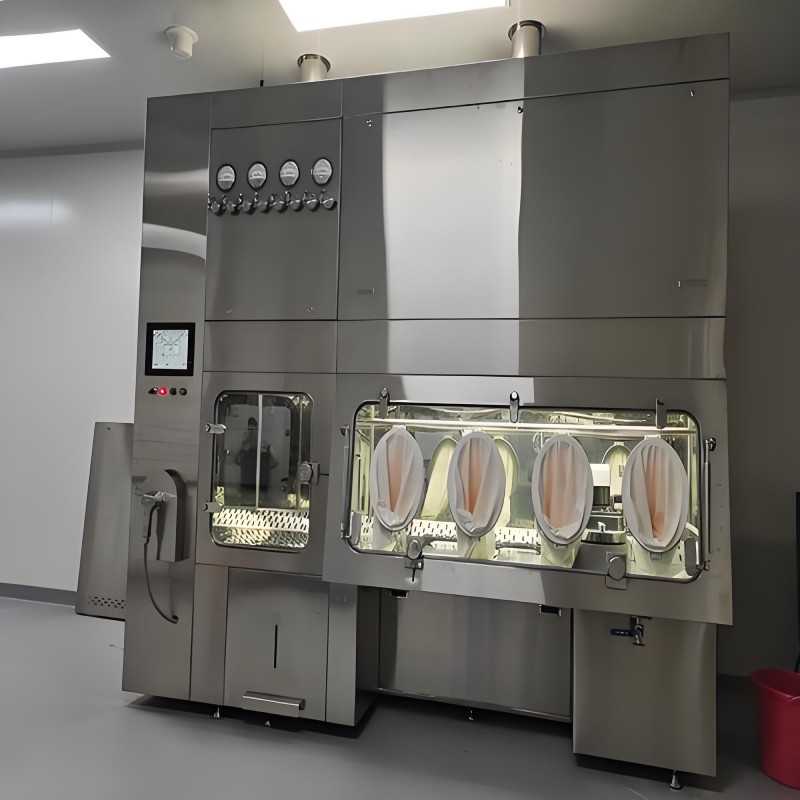
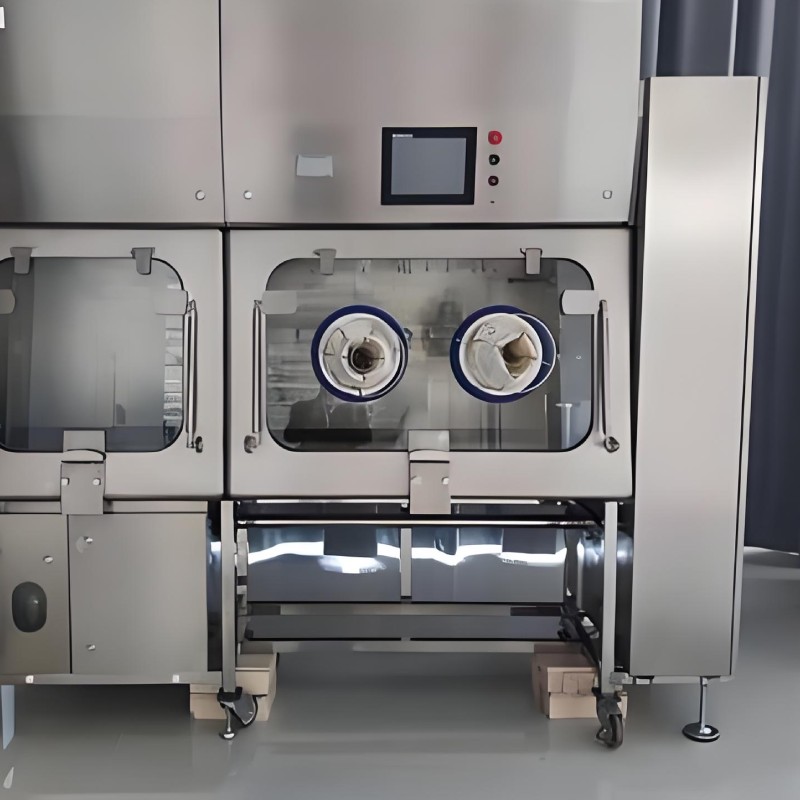
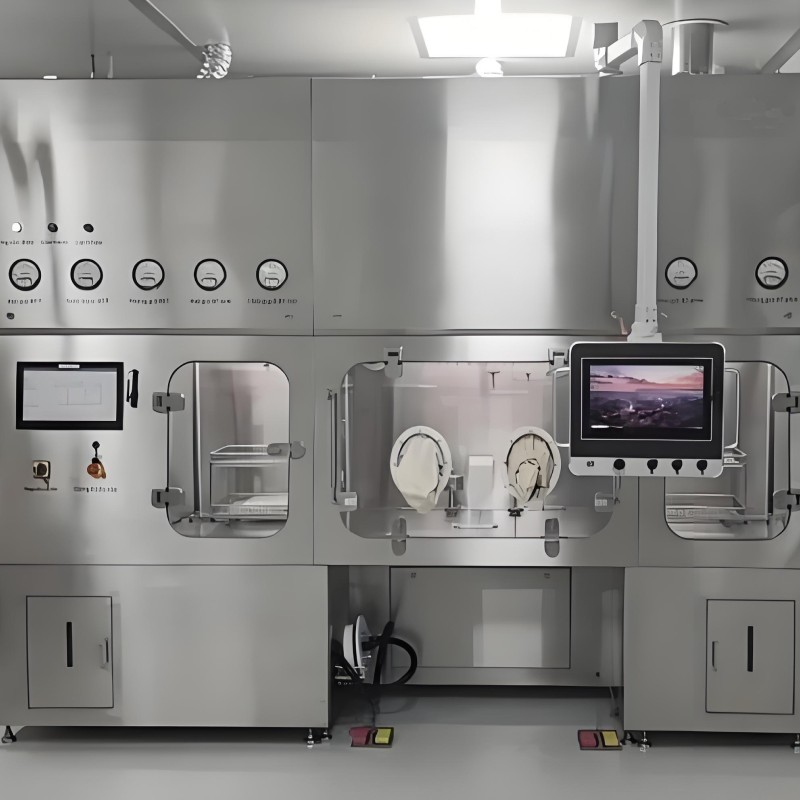
The sterile isolator is a vertical unidirectional flow device providing a local Class A environment. It protects operators during toxic API processes and maintains continuous cleanliness. Features: dynamic Class A environment, fully enclosed physical barrier, real-time monitoring, in-situ decontamin
KEYWORDS:
DETAIL:
Product Introduction
The sterile isolator is a vertical unidirectional flow device that provides a local Class A environment. It offers effective safety protection for the delivery, filtration, drying, crushing, weighing, and other sub-packaging processes of toxic or highly allergenic active pharmaceutical ingredients. It provides reliable protection for the safety and health of operating staff. While ensuring that the clean space is not affected by material transfer and personnel operations, the sterile isolator also solves the problem of traditional sterile rooms that cannot maintain a Class 100 cleanliness level continuously.
Product Features
1. Provide a continuously controllable and dynamic Class A clean environment
2. Provide a fully enclosed physical barrier to prevent direct contact between operators and products, thereby addressing the issue of microbial contamination
3. It can conduct real-time monitoring of sedimentation bacteria, temperature, humidity, pressure, and wind speed in the environment to ensure the production environment
4. Each compartment of the isolator is equipped with multi-functional interfaces, allowing for the configuration of detection equipment such as online planktonic bacteria and dust particle collection, and featuring in-situ biological decontamination capabilities
5. It can record the entire filling production process, ensuring data traceability. With automated and intelligent operations, it reduces labor costs
Frequently Asked Questions
1
What are the advantages of isolator installation?
Isolators install in Grade D/C space (not Grade B), reducing air exchange requirements by factor of 100. Easier cleaning of stainless steel surfaces. Reduced classified space forces efficient resource use.
2
Why are isolators superior to traditional cleanrooms?
Operators are the major contamination source. Isolators eliminate operator-product contact. External materials are decontaminated with hydrogen peroxide (log-6 SAL). HEPA-filtered laminar airflow maintains aseptic conditions.