







Cleanroom Requirements and Air Shower Configuration for Tea Production Workshops
Learn how hygienic zoning, pressure control, filtration, and air shower configuration protect tea quality and food safety in clean workshops.
Defining Hygienic Zones for Tea Production
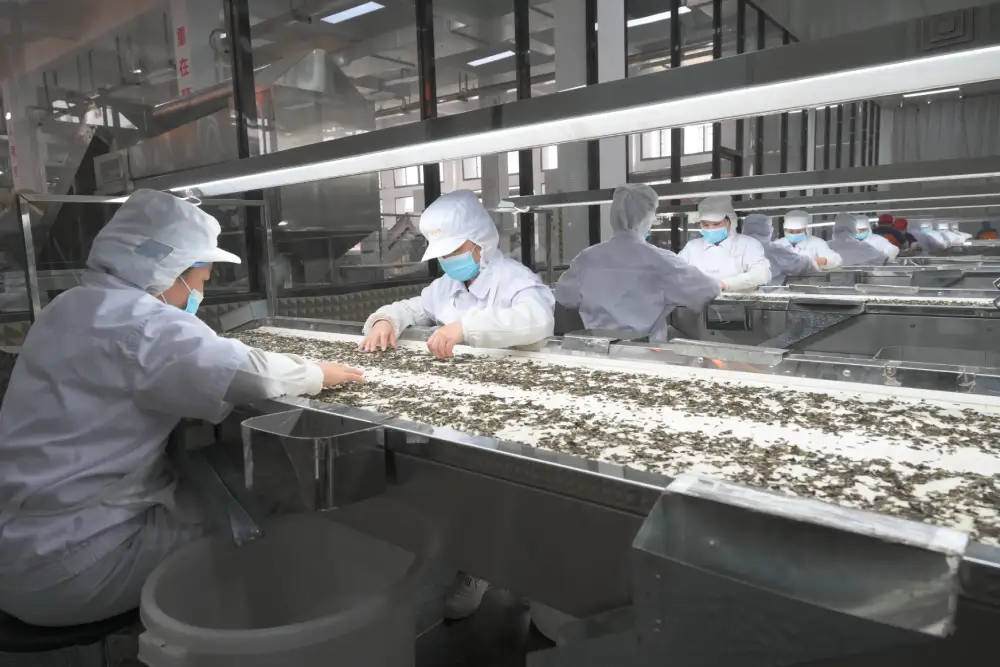
Tea processing facilities need contamination controls that reflect the product, process, and stage of production. Raw leaf receiving, drying, grinding, flavor preparation, blending, and final packaging do not present identical risks. Dust and foreign material may dominate in dry handling areas, while moisture and microbiological growth become more important wherever wet ingredients, liquid flavors, or washdown are involved. A cleanroom strategy should therefore focus the highest level of environmental control on exposed finished product and primary packaging rather than applying one classification to the entire factory.
Hygienic zoning separates raw materials, intermediate processing, finished-product handling, personnel support, and waste routes. Movement should progress from less controlled to more controlled areas without unnecessary backtracking. Dedicated entrances for high-hygiene rooms, controlled material transfer, handwashing, gowning, and footwear procedures reduce the chance that soil or allergens move into exposed-product zones. Doors should be interlocked or procedurally controlled where pressure relationships matter. The layout also needs a safe route for removing waste and used cleaning tools without crossing clean incoming materials.
Airflow must balance product protection with dust management. Final blending and packaging rooms may operate at positive pressure relative to adjacent corridors to reduce infiltration, while dusty raw-material operations often require local extraction or negative pressure at the source. These strategies should not be combined without careful engineering because uncontrolled exhaust can collapse the intended pressure cascade. Filtered supply air, sealed ceilings, suitable returns, and pressure monitoring should work as one system. Temperature and humidity control can help limit condensation, protect packaging performance, and reduce conditions that encourage mold growth or compromise tea aroma.
Room finishes must be smooth, durable, cleanable, and resistant to the approved detergents and disinfectants. Wall and ceiling joints should be sealed, penetrations detailed without open gaps, and floors graded where wet cleaning is used. Ledges above production lines can collect tea dust and later release it onto exposed product. Lighting, ducts, cable trays, and sprinkler interfaces should be arranged for inspection and cleaning. Equipment spacing is equally important: inaccessible gaps behind conveyors or packaging machines can undermine an otherwise well-built hygienic enclosure.
Configuring the Air Shower Entry Sequence
An air shower for cleanroom entry can reduce loose particles carried on clean garments before personnel enter a high-hygiene tea packaging area. It is an additional control, not a replacement for hand hygiene, correct clothing, controlled footwear, and disciplined gowning. The unit should be positioned after personnel have completed gowning and before the final controlled doorway. Entry and exit directions need to be obvious so operators do not bypass the intended sequence during shift changes or breaks.
Effective air shower room design considers occupancy, nozzle coverage, filtered-air velocity, cycle duration, door interlocks, emergency release, and the return-air path. Nozzles should reach the front, back, and sides of garments without creating unsafe noise or discomfort. Doors should prevent simultaneous opening while still permitting emergency egress. The floor, walls, ceiling, and return grilles must be easy to clean because tea dust removed from clothing will accumulate inside the chamber. Controls should clearly indicate cycle status and faults without requiring operators to improvise.
Capacity is a practical design constraint. An undersized air shower room creates queues at shift start, encouraging personnel to rush the cycle or seek another entrance. The project team should model peak occupancy rather than relying on average traffic. Larger air shower systems or multiple units may be appropriate where several operators enter together, while a single-person unit can suit a small packaging room with staggered access. Material movement should use a separate controlled route so cartons, tools, and ingredients do not pass through equipment intended for personnel.
When comparing air shower manufacturers, buyers should request airflow data, filter specifications, interlock logic, cleanability details, electrical requirements, noise information, spare-parts availability, and commissioning support. The lowest air shower price may exclude installation, controls integration, replacement filters, or validation. A capable air shower supplier should explain how the proposed unit fits the workshop traffic pattern and hygiene plan rather than treating it as a stand-alone appliance. Lifecycle access and service response can matter more than a small difference in purchase cost.
Commissioning and Maintaining Food Safety Performance
Commissioning should confirm that the room and entry sequence deliver the intended conditions. Testing can include airflow quantity, filter installation, pressure differentials, temperature, humidity, door interlocks, cycle timing, alarm behavior, and airflow at the shower nozzles. Visual checks should confirm that doors close reliably and that operators receive clear instructions. Results need documented acceptance criteria, corrective actions, and responsibilities. Where environmental monitoring is part of the food safety plan, baseline data should be collected after cleaning and again during representative operation.
Daily procedures determine whether the installation remains effective. Operators need training on gowning order, maximum occupancy, standing positions, prohibited items, fault reporting, and what to do when a cycle is interrupted. Cleaning schedules should address the chamber floor, walls, nozzles, return grilles, doors, handles, and adjacent gowning space. Tea dust must not be allowed to accumulate around the return path or sensors. Filters, seals, interlocks, fans, and pressure instruments require preventive maintenance, with replacement intervals adjusted using condition and performance data.
The cleanroom and air shower should be integrated into the facility food safety system. Hazard analysis should define the contamination risks each control addresses and avoid assigning the air shower responsibilities it cannot fulfill, such as allergen segregation or sanitation of contaminated tools. Environmental trends, product complaints, cleaning records, and maintenance findings should be reviewed together. Changes to staffing, recipes, packaging speed, or room equipment may alter airflow and traffic assumptions, so they require documented reassessment.
A successful tea production cleanroom combines hygienic zoning, cleanable construction, controlled airflow, disciplined personnel movement, and verified operating procedures. The air shower adds value when it is correctly located, sized for peak demand, maintained, and supported by appropriate gowning practices. By defining measurable requirements before purchase and confirming performance after installation, tea processors can protect finished product without adding unnecessary complexity to every part of the factory.