







Cleanrooms: The Foundation of Safety and Quality for Biopharmaceutical Research
Learn how biopharma research cleanrooms protect samples, personnel, and data through controlled airflow, zoning, materials, and validated operations.
Designing Biopharmaceutical Research Cleanrooms Around Risk
Biopharmaceutical research depends on environments that protect samples, processes, personnel, and experimental data from avoidable contamination. Cell culture, formulation studies, sterile sampling, analytical testing, and small-scale process development can each require different levels of environmental control. Well-designed cleanrooms therefore begin with a documented risk assessment rather than a generic room classification. The project team should identify what must be protected, what hazards may be present, how materials move, and which activities could introduce particles or microorganisms. This process-based approach prevents both under-design, which threatens research quality, and unnecessary over-design, which increases operating cost without adding meaningful protection.
Zoning is the foundation of contamination control. Researchers, samples, consumables, waste, and maintenance tools should follow defined routes that minimize crossing and backtracking. Gowning rooms, material airlocks, pass-through chambers, and decontamination points create controlled transitions between support areas and critical laboratories. Pressure relationships must follow the actual risk: positive pressure can protect sensitive nonhazardous work from surrounding contamination, while work involving potent or infectious materials may require containment and negative pressure. These choices should be coordinated with biosafety specialists so product protection never conflicts with personnel or environmental safety.
Air distribution must support the work being performed. HEPA-filtered supply air, correctly positioned returns, controlled room pressure, and appropriate recovery performance help remove particles before they settle on exposed materials. Supply diffusers should not create turbulence across open processing steps, and equipment heat loads must be included in airflow and cooling calculations. Temperature and humidity limits should be based on process stability, operator comfort, and material requirements. Limits that are tighter than necessary increase energy use and can make the facility harder to maintain without improving research outcomes.
Interior materials need smooth, sealed, non-shedding surfaces that tolerate repeated cleaning and disinfection. Properly finished fiberglass panels can provide chemical resistance and impact durability in corridors, wash areas, and selected laboratory zones, provided joints and penetrations are sealed correctly. Noise control also matters because freezers, pumps, fans, and analytical instruments can create a distracting workplace. Where acoustic separation is needed, soundproof wall panels should be selected with cleanable facings and sealed details so noise reduction does not introduce ledges, exposed fibers, or contamination traps.
Integrating Equipment, Workflow, and Daily Contamination Control
Localized protection equipment must be selected for the specific task. A properly positioned Laminar Flow Cabinet can create a clean unidirectional work zone for nonhazardous sample preparation, sterile assembly, or sensitive instrument setup. It should not automatically be treated as a biological containment device; hazardous agents require equipment selected through a separate biosafety assessment. The cabinet should be located away from doors, busy walkways, and supply-air patterns that could disrupt its airflow. Utilities and service clearances should allow maintenance without dismantling adjacent laboratory operations.
Room layout should support a logical progression from receiving and preparation to controlled processing, analysis, and waste removal. Frequently used supplies need enclosed storage near the point of use, while cardboard and other particle-generating packaging should be removed before materials enter cleaner zones. Mobile equipment requires defined parking and cleaning locations. Pass boxes can reduce door openings, but their size, interlocks, cleaning access, and transfer procedure must match the actual containers being moved. A convenient workflow improves compliance because researchers are less likely to create shortcuts when the approved route is practical.
Personnel practices remain as important as engineered controls. Gowning sequences should reflect room classification and process risk, with clear separation between street clothing, intermediate garments, and clean apparel. Training should cover hand hygiene, glove changes, door discipline, material transfer, spill response, and the reasons behind each requirement. Cleaning programs need approved agents, defined concentrations and contact times, compatible tools, and a schedule that distinguishes routine cleaning from response to spills or maintenance. Rotating disinfectants should be justified by facility data rather than applied as an automatic ritual.
Monitoring converts environmental conditions into usable evidence. Pressure, temperature, humidity, and selected particle or microbiological measurements should be trended so gradual deterioration can be detected before it affects a study. Alarm levels must distinguish expected operational variation from conditions requiring immediate action. When an excursion occurs, the response procedure should connect facility data with sample status, open processing steps, personnel activity, and recent maintenance. This creates a defensible scientific assessment instead of treating every alarm as either harmless or catastrophic.
Qualification and Long-Term Control of Research Quality
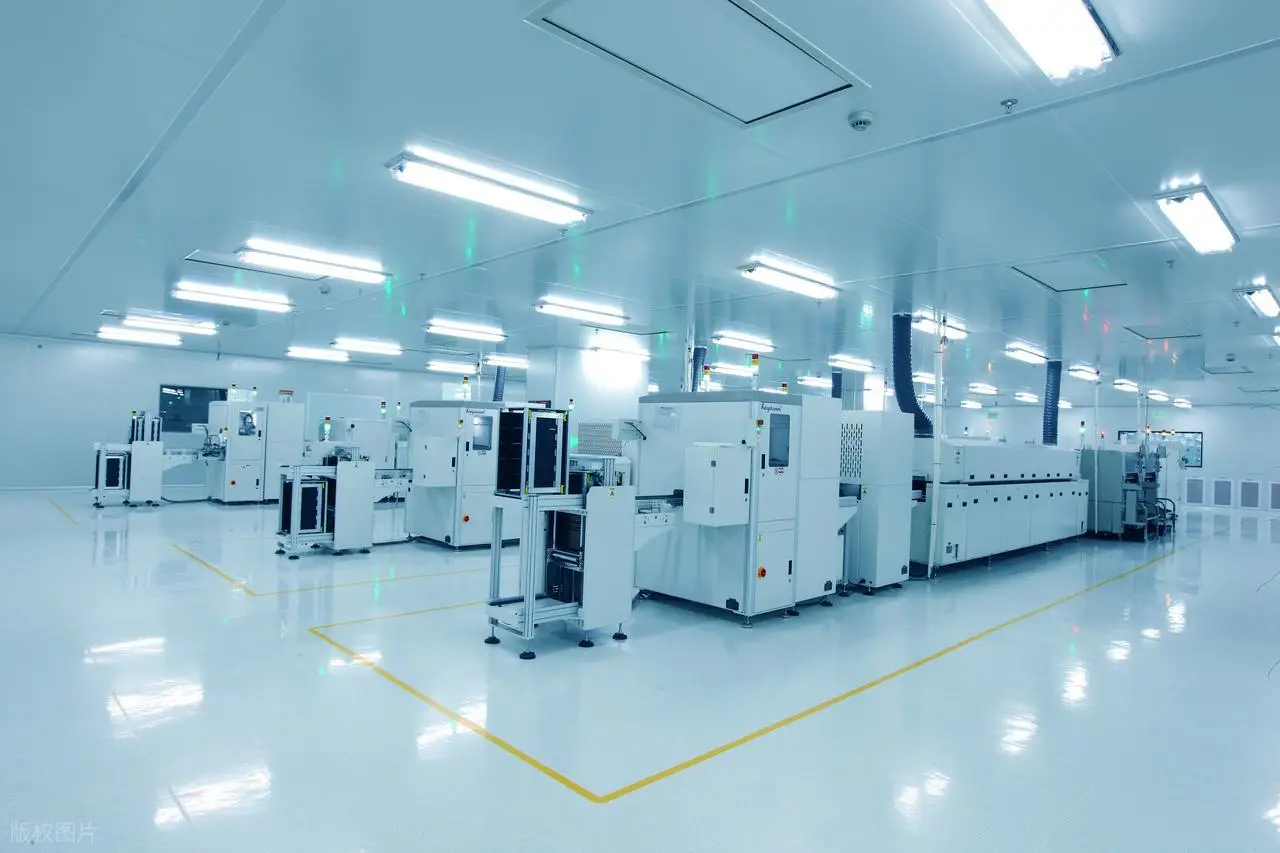
Commissioning and qualification should demonstrate that the completed facility performs as intended. Testing commonly examines airflow quantity, filter integrity, room pressure, temperature, humidity, recovery behavior, and airborne particle conditions under agreed operating states. Smoke studies or airflow visualization can reveal turbulence around cabinets, doorways, and tall equipment. Test locations and acceptance criteria should be linked to process risks, and deviations should be resolved as coordinated system issues rather than corrected through isolated adjustments that create new problems elsewhere.
Research facilities change frequently as projects, instruments, and staffing evolve. Change control should assess how a new freezer, incubator, analytical platform, or utility connection will affect heat load, airflow, cleaning access, and traffic. Preventive maintenance must include filters, seals, sensors, interlocks, cabinets, and monitoring devices, with service planned to minimize exposure of controlled areas. Modular construction can support future reconfiguration, but every change still requires documented review and appropriate requalification before sensitive work resumes.
Strong operational governance connects facility performance with scientific integrity. Standard procedures, training records, calibration status, cleaning logs, environmental trends, and deviation investigations should form one traceable system. Periodic review can identify recurring alarms, difficult workflows, or equipment that is approaching capacity. Energy-saving measures such as fan setbacks may be appropriate in qualified idle periods, but they should be risk assessed and verified before routine use. When engineering controls and laboratory practices are managed together, the cleanroom becomes a reliable foundation for safe work, reproducible data, and confident biopharmaceutical development.