







EU GMP Annex 1 enforcement – continuous dynamic monitoring becomes core compliance requirement for cleanrooms
Understand how EU GMP Annex 1 continuous monitoring affects cleanroom sensors, wall and ceiling interfaces, cable routes, validation, and compliance.
Annex 1 Mandates Real-Time Visibility—No More “Snapshot” Monitoring
As of August 2023, EU GMP Annex 1 enforcement has shifted the compliance baseline for pharma clean rooms: static qualification and periodic checks are no longer sufficient. Regulators now expect continuous, dynamic monitoring of critical environmental parameters—including particle counts, viable microorganisms, pressure differentials, temperature, and humidity—across all operational states (at rest, in operation, and during interventions). This isn’t about adding more sensors; it’s about integrating them into a unified, auditable system that delivers traceable, time-stamped data—every second, every shift, every batch. For engineering firms specifying pharmaceutical clean room solutions, this means re-evaluating wall systems, ceiling interfaces, and service penetrations not just for integrity and cleanability, but for sensor accessibility, cable routing pathways, and future-proofing of I/O capacity. Modular cleanroom designs with pre-engineered monitoring zones—and ceilings built to accommodate flush-mounted particle counters and airflow verification ports—are rapidly moving from “nice-to-have” to essential.
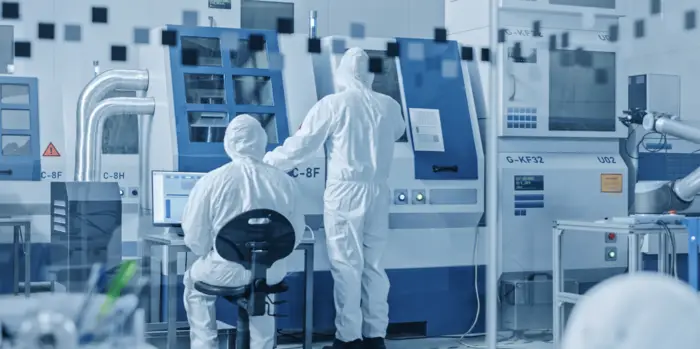
From Entry Point to Critical Zone—Air Showers Now Part of the Compliance Chain
The revised Annex 1 explicitly links personnel behavior and gowning discipline to environmental control risk. That makes entry points—especially air showers—not just hygiene tools, but documented, qualified control points. A single-person air shower room must now demonstrate validated removal efficiency (≥95% for ≥0.5 µm particles), real-time airflow velocity verification, interlocked door logic, and integration into the facility’s overall monitoring platform. Standalone units with basic timers or manual controls no longer meet expectations. Engineering teams sourcing Pharmaceutical Air Shower must prioritize suppliers offering CE-marked, IQ/OQ-ready systems—with configurable cycle profiles, audit trails, and compatibility with BMS/SCADA. Likewise, pharmaceutical clean room ceiling systems must support seamless integration of HEPA modules, lighting, and monitoring nodes without compromising laminar flow or creating recessed harborage areas. The message is clear: every component—from wall panel joints to air shower nozzles—must contribute to a verifiable, continuously monitored environment.