







Food Safety Cleanroom Panels: How Modular Walls Help F&B Plants Achieve BRC Certification in Record Time
Find out how food and beverage manufacturers use cleanroom sandwich panels to meet hygiene standards, pass BRC audits, and reduce facility construction costs.
Food safety regulations have intensified dramatically over the past decade. From BRCGS to SQF and FSSC 22000, certification schemes demand manufacturing environments that prevent contamination, enable thorough cleaning, and provide documented evidence of hygienic design. For contractors building food and beverage processing facilities, modular cleanroom wall panels, technology has become the go-to solution for meeting these exacting standards on realistic budgets.
Hygienic Design Requirements in Food Processing
Unlike industrial cleanrooms, food processing environments must address biological contamination risks — Listeria, Salmonella, E. coli — that pose direct public health threats. Wall surfaces must be impervious, non-absorbent, and resistant to the caustic cleaning chemicals used in daily sanitation protocols. prefabricated modular cleanrooms, with factory-applied food-grade finishes consistently meet these requirements, eliminating the variability of field-applied coatings that can harbor bacteria in micro-defects.
The modular laboratory Factory, approach to food facility design recognizes that hygiene extends beyond surface materials. Joint design, corner treatment, and penetration sealing all influence the facility's ability to withstand rigorous cleaning while preventing microbial harborage points. Pre-formed coving, factory-sealed panel edges, and stainless steel trim systems create a continuous hygienic barrier that simplifies both daily sanitation and periodic deep cleaning.
For Prefabricated laboratory, applications in cold processing areas — meat packing, dairy, ready meals — thermal performance becomes equally critical. Insulated panel cores maintaining consistent cold room temperatures prevent condensation formation, which is a primary driver of microbial growth in food processing environments. The right panel specification addresses food safety, energy efficiency, and worker comfort simultaneously.
Accelerating Construction Without Compromising Food Safety
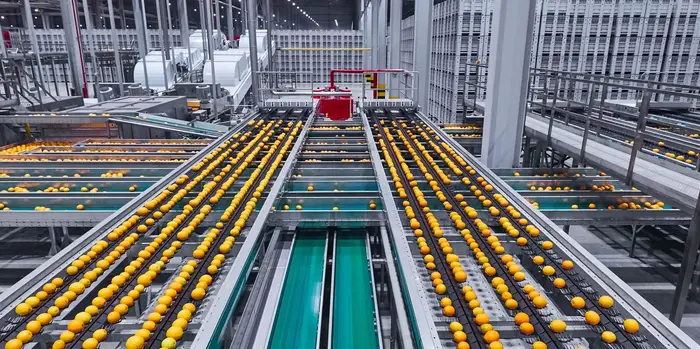
Food and beverage companies face intense pressure to bring new production capacity online quickly. Seasonal product cycles, retail contract commitments, and competitive market dynamics make construction speed a business imperative. modular cleanroom wall panels, systems deliver completed hygienic envelopes in 4–6 weeks — a fraction of the 12–16 weeks required by traditional block-and-render construction.
The speed advantage of laboratory specifications design, extends beyond installation. Factory-finished surfaces require no on-site painting, coating, or curing. This eliminates weather dependencies, reduces VOC emissions in enclosed spaces, and allows immediate commencement of equipment installation following panel completion. For project managers, this parallelism can shave weeks off critical path schedules.
portable modular cleanrooms, also simplify the audit preparation process. BRCGS and SQF auditors increasingly evaluate the hygienic design of facility construction itself. Modular panel systems with documented material certifications, factory quality control records, and standardized installation details provide the evidence trail that auditors require, reducing the number of non-conformances and accelerating certification timelines.
Cost Management Across the Facility Lifecycle
Food processing margins are notoriously tight, making capital efficiency essential. laboratory specifications design, offer compelling economics through reduced construction costs, lower energy consumption, and minimal maintenance requirements over decades of service. The initial investment in quality hygienic panels typically pays back within 3–5 years through reduced cleaning costs, lower energy bills, and avoided production downtime.
Expansion and modification costs also favor modular systems. When production lines need to be extended or reconfigured, prefabricated modular cleanrooms, can be relocated with minimal waste. This flexibility is particularly valuable for contract manufacturers serving multiple food brands, where production requirements change with each client engagement.
For engineering contractors competing for food and beverage facility projects, mastering modular laboratory Factory, and Prefabricated laboratory, installation delivers competitive advantages in both speed and quality. The processors who partner with contractors experienced in these systems are the ones achieving BRC certification on first attempt and bringing new capacity to market ahead of schedule.