







Pass-Box Interlock Fault Recovery for Sterile Material Transfers
A pass box should have an agreed response to a door, sensor or power fault before it enters a sterile transfer procedure. Equipment design and operating rules must be tested together.
Write the transfer states
List what may enter the chamber, how it is prepared and which side may open first. Then describe normal door sequencing and the visible indication at each position. A generic interlock specification may hide a practical problem: a trapped load after power loss or a door that appears closed but has not latched. Operators and the process owner should define the safe response without assuming that the box itself decontaminates a load.
Test faults, not only the happy path
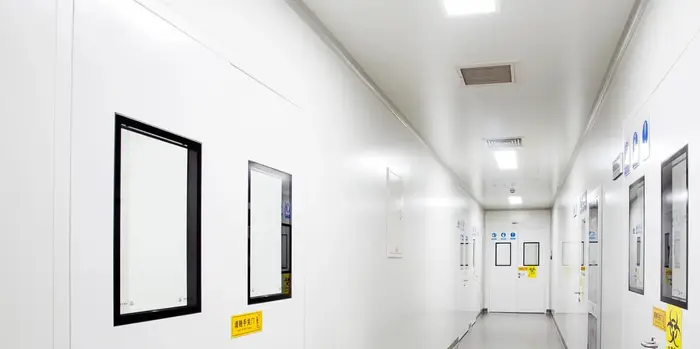
Ask the supplier to demonstrate a door obstruction, sensor disagreement and loss of normal power using the offered controls. Decide how a supervisor releases a fault, how the event is recorded and whether the material must be rejected or reprocessed. Chamber corners, shelves and seals must be reachable for the approved cleaning method. The wall closure and service access belong in the procurement scope.
Keep the process claim precise
At acceptance, verify dimensions with the largest intended container, the interlock sequence, indicators and cleaning access. Qualification of a material-transfer process remains the owner's responsibility. The equipment record should contain wiring, spare sensor references and the agreed fault table so future repairs do not silently change the operating sequence.
A fault-state table for operators and engineers
The fault table should cover at least both doors open, a door reported closed but not latched, failed power, failed indication and an interrupted transfer. For each state, specify the visible alarm, permitted operator action, supervisor decision and required record. The equipment supplier can implement the control logic, but the process owner must decide the disposition of material left inside the chamber. A manual release should be protected against casual use and its effect on the room boundary understood before commissioning.
Cleaning and repair are separate use cases. Ask how shelves, seals and sensors are reached without damaging the chamber finish. Confirm whether a wet cleaning agent is compatible with the offered materials and whether electrical parts need protection. During acceptance, test the fault states with a representative load and retain the resulting record beside the operating procedure. Revisit the table after any control-board or sensor replacement. A pass box that worked on delivery can become unsafe if maintenance silently changes the sequence users were trained to follow.
The final table should be short enough to use at the equipment, with detailed engineering logic kept in the technical file. Train personnel using the actual alarms and controls. A written procedure that has never been rehearsed against a realistic fault is weak protection during a time-sensitive transfer.